Understanding Male and Female Cannabis Seeds
When growers dive into the world of cannabis cultivation, a critical initial choice revolves around selecting the right type of seeds. This decision has significant long-term implications for the success of growing endeavors. Among the options available, male and female cannabis seeds stand out as particularly versatile and valuable. Unlike feminized seeds that guarantee female plants, regular seeds offer a balanced genetic mix of both male and female offspring, which is essential for breeding and maintaining genetic diversity.
What Are Male and Female Cannabis Seeds?
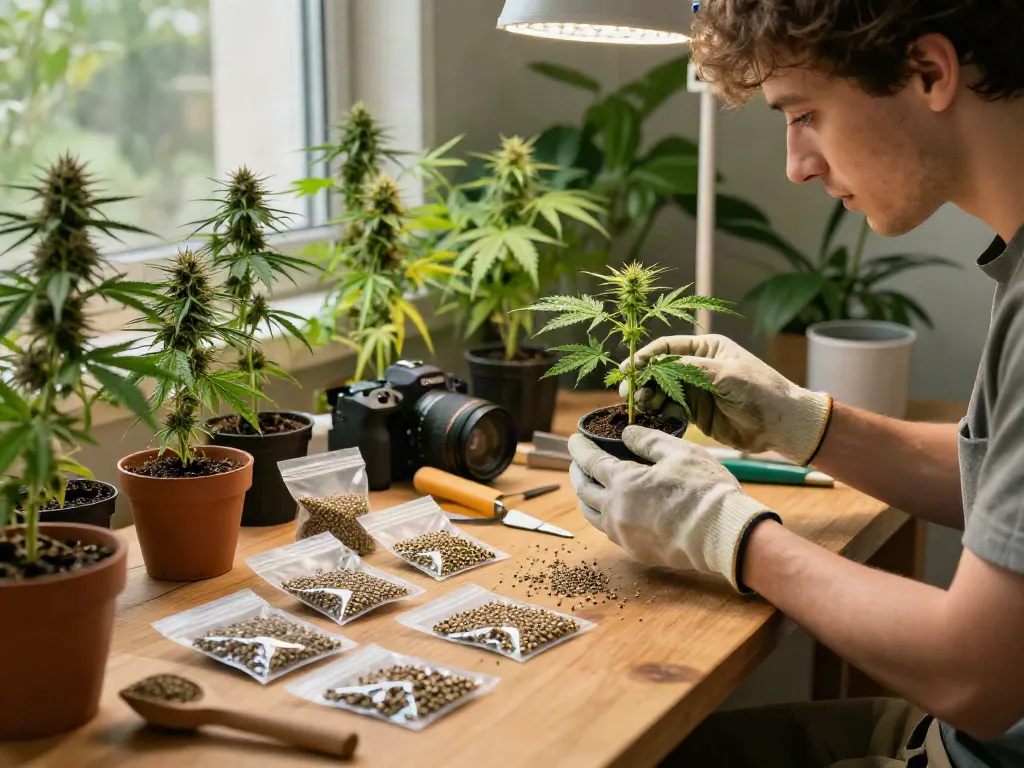
Male and female cannabis seeds refer to traditional seeds that are not feminized, allowing them to produce both male and female plants. Typically, these seeds yield approximately 50% males and 50% females upon germination. The male plants are crucial for breeding, as they produce pollen necessary for fertilizing female flowers. This seed type is especially favored by breeders and phenotypic hunters who are interested in exploring diverse genetic traits and stable lineage in their cannabis strains.
The Importance of Seed Genetics
Understanding seed genetics is fundamental for growers interested in maximizing their yield and quality. Regular cannabis seeds maintain the genetic integrity of both male and female plants, offering breeders a unique opportunity to carefully select desirable traits. The genetic variation found in regular seeds can lead to more resilient plants and better adaptability to environmental changes.
- Genetic Vigor: Regular seeds often demonstrate superior growth vigor and robustness.
- Terpene Profiles: These seeds can produce flowers with rich aromas and flavors due to their diverse genetic backgrounds.
- Phenotype Selection: Growers can hunt for specific phenotypes that exhibit desirable traits, such as higher yields or unique flavors.
How to Identify Male vs. Female Plants
Identifying the sex of cannabis plants is a crucial skill for growers using regular seeds. Typically, the sex of the plants becomes apparent about 4-6 weeks after germination. Male plants can be identified by their pre-flowers, which appear as small, round pollen sacs, while female plants develop wispy, white hairs known as pistils. Being able to recognize these differences early helps in managing the crop effectively and ensuring optimal conditions for desired outcomes.
Breeding with Regular Cannabis Seeds
Breeding with regular cannabis seeds opens up numerous possibilities for creating unique hybrids and maintaining genetic diversity. This practice is not just for professional breeders; even hobbyists can enjoy the benefits of experimenting with breeding projects.
Advantages of Using Male and Female Cannabis Seeds
One of the most significant advantages of using regular cannabis seeds is the ability to create new strains through selective breeding. By combining plants with desirable traits, breeders can create hybrids that exhibit the best qualities of both parent plants. This method encourages genetic diversity, which is vital for long-term sustainability and resilience against pests and diseases.
Best Practices for Breeding Projects
When embarking on a breeding project, certain best practices can enhance the chances of success:
- Select Quality Parent Plants: Choose plants that exhibit desirable traits such as high THC content, unique flavors, or robust growth.
- Maintain Proper Environmental Conditions: Ensure optimal conditions for both male and female plants to thrive, as this will improve the overall quality of seeds produced.
- Monitor for Pollen Release: Pay close attention to male plants and remove them before they release pollen if seedless female flowers are the goal.
Case Studies: Successful Breeding Examples
Many successful cannabis strains have emerged from careful breeding projects using regular seeds. For instance, the renowned strain OG Kush was developed through selective breeding of various regular seed lines. Another example is the Blue Dream strain, which showcases the benefits of hybrid vigor, resulting from the right combination of sativa and indica genetics.
Male and Female Cannabis Seed Care
Caring for seeds and plants is one of the most rewarding aspects of cannabis cultivation. However, it also requires attention to detail and an understanding of the plants' needs throughout their life cycle.
Optimal Conditions for Germination and Growth
To ensure successful germination and early growth of cannabis seeds, specific conditions must be met:
- Temperature: Ideal temperatures range from 70°F to 80°F (21°C to 27°C) for germination.
- Humidity: Maintain humidity levels between 70-85% during the germination phase, gradually reducing as plants mature.
- Soil Quality: Use high-quality soil or growing mediums that provide adequate drainage and nutrients.
Common Mistakes in Seed Cultivation
Even experienced growers can make mistakes in seed cultivation. Common pitfalls include:
- Overwatering: Too much water can lead to root rot and other problems.
- Pest Infestation: Neglecting to monitor for pests can harm plants and reduce yields.
- Ignoring Nutrient Needs: Each stage of growth requires different nutrient profiles; failing to adjust can lead to deficiencies or toxicities.
Monitoring Plant Development and Sex Expression
As plants grow, regular monitoring is essential to assess health and sex expression. By keeping records of growth patterns and conditions, growers can make informed decisions about pruning, fertilization, and other cultivation practices that enhance the development of male and female plants.
Comparative Benefits of Regular vs. Feminized Seeds
Understanding the differences between regular and feminized seeds can help growers make informed decisions about their cultivation needs. While feminized seeds are designed to produce only female plants, regular seeds provide a mix that can be beneficial for those looking to breed new strains.
Why Choose Regular Seeds for Breeding?
Regular seeds are often preferred for breeding due to their genetic diversity and the ability to produce both sexes. This allows for natural genetic variability and the potential for creating unique hybrids that may have better resilience and production capabilities.
Potential Drawbacks of Fem Seeds
While feminized seeds are convenient for those seeking only female plants, they often lack the genetic variability needed for effective breeding. This can lead to a more homogeneous crop and less adaptability to changing conditions.
Expert Insights on Seed Selection
Experts recommend considering the long-term goals of cultivation when selecting seeds. If breeding or maintaining genetic diversity is a priority, regular seeds are often the better choice. On the other hand, for those simply looking to maximize yield from female plants, feminized seeds may suffice.
Future Trends in Cannabis Seed Varieties
The cannabis industry is rapidly evolving, with new advancements in breeding techniques and seed varieties emerging every year. Staying abreast of these trends can be invaluable for growers looking to stay competitive in the market.
Emerging Genetics in 2026
As breeding techniques improve, we can expect to see cannabis seeds that offer not only enhanced potency but also improved resistance to pests and diseases. In particular, breeders are focusing on creating strains that thrive in various environmental conditions, ensuring consistency regardless of location.
Predictions for Breeding Innovations
The future of cannabis breeding may involve more sophisticated techniques, including gene editing and hybridization approaches that yield more stable and resilient plants. These innovations could lead to the development of strains optimized for specific medicinal properties or agricultural conditions.
Legal Considerations for Seed Purchases
As cannabis legalization continues to spread across many regions, it is essential for growers to stay informed about local regulations regarding the purchase and cultivation of cannabis seeds. Misunderstanding these laws can lead to complications and potential legal repercussions.
Frequently Asked Questions
When can I tell if my cannabis plant is male or female?
Signs of male or female plants typically appear about 4-6 weeks after germination, with males developing pollen sacs and females showing pistils.
What is the downside to feminized seeds?
Feminized seeds can limit genetic diversity, which may affect the resilience and adaptability of plants in varying environmental conditions.
How do I feminize my seeds?
Feminization can be achieved through techniques such as stress-induced hermaphroditism or chemical treatment, but results can be inconsistent.
Are hermie seeds worth keeping?
Hermie seeds can produce both male and female characteristics; while they may be viable for some projects, they can complicate breeding due to unpredictable traits.
Best practices for selecting cannabis seeds for breeding?
Select strong, stable parent plants, understand the genetic backgrounds, and monitor growth conditions closely to achieve successful breeding outcomes.