
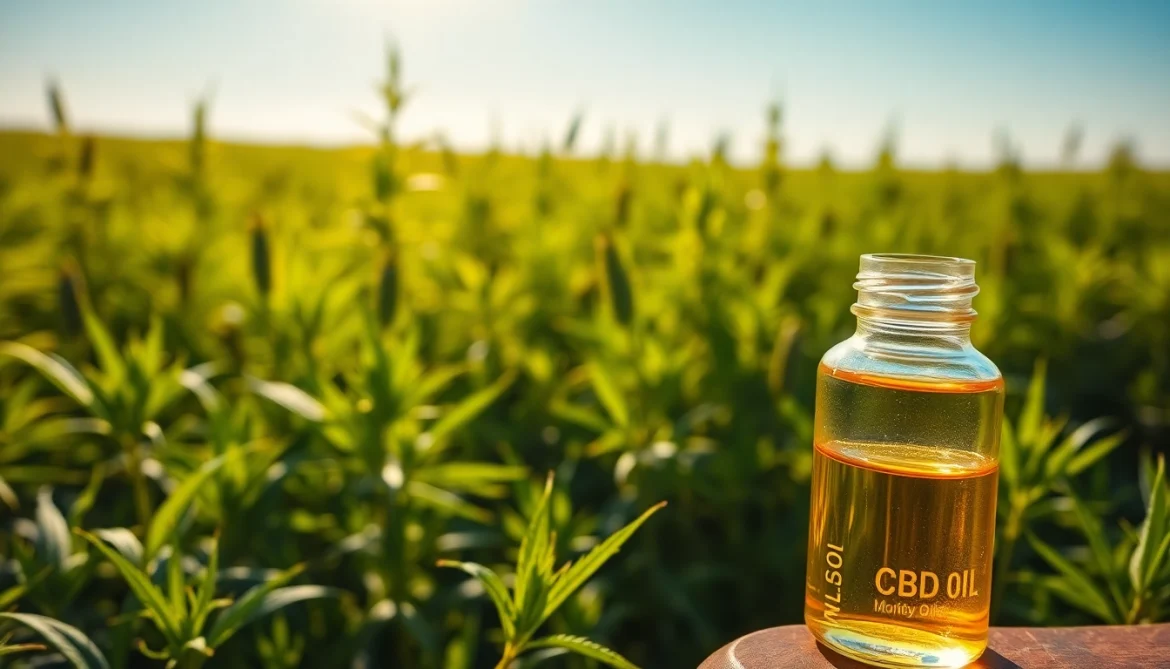
Understanding CBD: A Comprehensive Guide
Cannabidiol, commonly known as CBD, is a compound derived from the hemp plant that has garnered significant attention for its potential therapeutic properties. Unlike its better-known counterpart THC (tetrahydrocannabinol), which produces psychoactive effects, CBD is non-psychoactive, offering a range of benefits without the “high.” As interest in this compound continues to rise, understanding its applications, benefits, and safety considerations is essential for consumers and health professionals alike.
What is CBD?
Definition of CBD
CBD is one of over 113 identified cannabinoids in cannabis and is primarily sourced from hemp plants. This compound interacts with the body’s endocannabinoid system (ECS) – a complex network of receptors and neurotransmitters that regulate vital functions such as sleep, mood, appetite, and immune response. Due to its properties, CBD is distinct in its ability to provide therapeutic benefits without the intoxicating effects associated with cannabis use.
Chemical Composition and Properties
The chemical formula for CBD is C21H30O2. It is categorized as a phytocannabinoid, meaning it is a naturally occurring compound found within the cannabis plant. CBD is recognized for its various properties, including anti-inflammatory, analgesic (pain-relieving), anti-anxiety, and neuroprotective effects. Research suggests that CBD interacts with the CBD1 and CBD2 receptors of the endocannabinoid system, influencing various physiological processes.
Sources of CBD
CBD is most commonly extracted from the hemp plant, which is characterized by its low THC content (below 0.3%). It is crucial for consumers to distinguish between CBD derived from hemp versus that derived from marijuana, as the latter may contain elevated levels of THC and produce psychoactive effects. Methods of extraction include CO2 extraction, ethanol extraction, and oil infusion, each impacting the purity and quality of the final product.
Benefits of CBD
CBD for Pain Relief
Many users report using CBD for its analgesic properties, making it an attractive option for those suffering from chronic pain conditions such as arthritis or fibromyalgia. Research has indicated that CBD may reduce inflammation and offer pain relief by interacting with receptors in the ECS. Additionally, some studies suggest that CBD can alter the perception of pain, providing an alternative for individuals who wish to avoid traditional pharmaceuticals.
CBD and Mental Health
Emerging evidence shows that CBD may play a beneficial role in managing anxiety and depression. By enhancing the interaction of serotonin and cannabinoid receptors, CBD may help improve mood and alleviate symptoms of anxiety. Clinical trials have shown promise in using CBD to treat disorders such as generalized anxiety disorder (GAD) and post-traumatic stress disorder (PTSD), providing an invaluable tool for those who struggle with mental health issues.
Potential Benefits for Sleep Disorders
Sleep disorders such as insomnia affect millions worldwide. CBD may aid in improving sleep quality by addressing underlying issues such as anxiety and pain that prevent restful sleep. Research has suggested that CBD could help users fall asleep faster and reduce overall nighttime awakenings, thus improving overall sleep duration and quality.
How to Use CBD
Forms of CBD Products
CBD is available in various forms, each suited for different preferences and uses. These include:
- Oils and tinctures: Liquid extracts typically taken sublingually for quick absorption.
- Capsules: Convenient options that offer pre-measured doses for simplified consumption.
- Edibles: Infused food items like gummies or chocolates that provide an enjoyable way to consume CBD.
- Topicals: Creams, balms, and lotions applied directly to the skin for targeted relief.
- Vapes: Inhalation methods that deliver CBD quickly into the bloodstream through the lungs.
Recommended Dosages
The appropriate dosage of CBD can vary significantly based on factors such as individual body weight, the severity of the condition being treated, and the form of CBD being used. It is generally advisable to start with a low dosage and gradually increase it until the desired effects are achieved. Working with a healthcare provider can ensure a safe and effective dosage tailored to individual needs.
Combining CBD with Other Therapies
For many, integrating CBD with other treatments can enhance therapeutic effects. This could include combining CBD with traditional medicine, therapy for mental health conditions, or even holistic approaches like acupuncture and yoga. Collaboration with a healthcare professional is crucial to avoid potential interactions and to create a comprehensive treatment plan.
Safety and Side Effects of CBD
Common Side Effects
While CBD is generally well-tolerated, it can cause side effects in some individuals. Reported adverse effects include:
- Dry mouth
- Fatigue
- Drowsiness
- Diarrhea
- Changes in appetite or weight
Understanding these potential side effects can help consumers make informed decisions toward safe usage.
Drug Interactions to Consider
CBD can interact with certain medications, especially those metabolized by the liver’s cytochrome P450 enzyme system. Users are encouraged to consult their healthcare providers before starting CBD, particularly if they are on medications such as blood thinners or anticonvulsants. Monitoring for unusual side effects or changes in medication effectiveness is also recommended.
Regulatory Status of CBD
The legal status of CBD varies significantly by region, often causing confusion among consumers. In many places, CBD derived from hemp is legal, while CBD from marijuana remains more restricted. Understanding federal and state laws is essential, particularly as regulations continue to evolve.
Choosing Quality CBD Products
What to Look For in CBD Products
When selecting CBD products, quality should always be a priority. Key factors to consider include:
- Source: Prefer CBD extracted from organically grown hemp to minimize chemical exposure.
- Extraction Method: Look for CO2 extraction or ethanol extraction methods for purity.
- Third-Party Lab Testing: Choose products that provide independent lab tests to verify potency and purity.
Importance of Lab Testing
Lab testing is crucial for ensuring that a CBD product is free from contaminants and contains the advertised levels of CBD. Reputable brands will provide access to Certificates of Analysis (CoAs) from accredited laboratories, allowing consumers to confirm product integrity.
Understanding Labels and Claims
Labels on CBD products can often be misleading due to the lack of standardization in the industry. Consumers should educate themselves about the terminology used in product descriptions, such as “full-spectrum,” “wide-spectrum,” and “isolate,” to understand what they are purchasing. Full-spectrum products contain all cannabinoids present in the hemp plant, including a trace amount of THC, while isolates contain only CBD.
Conclusion
CBD presents a plethora of potential benefits, from pain relief and mental health support to improved sleep quality. However, understanding how CBD works, how to use it safely, and how to choose quality products is paramount for consumers looking to integrate CBD into their wellness routine. As research continues, staying informed about this evolving compound will empower individuals to make the best choices for their health and well-being.