
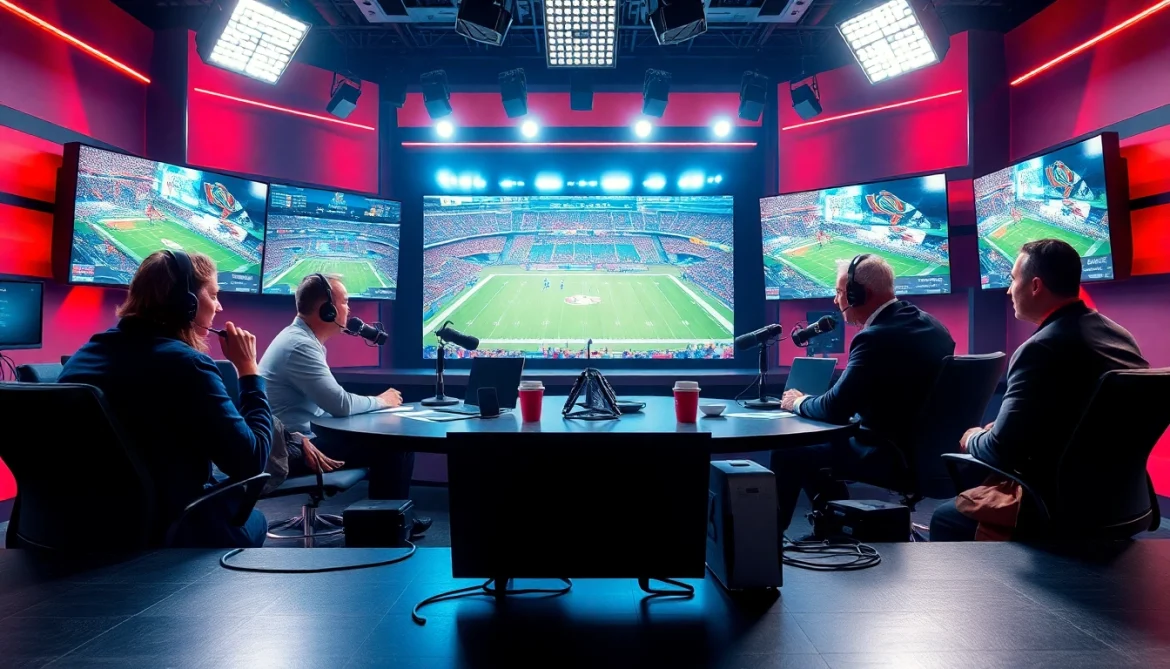
Understanding Sports Broadcasting
Defining Sports Broadcasting: Key Concepts
Broadcasting sports events to audiences across various platforms encapsulates the essence of Sports Broadcasting. This realm combines journalism, technology, and entertainment, creating a unique form of storytelling. Sports broadcasting involves live audio-visual transmission of sporting events, where commentators provide real-time analysis, context, and emotion to the viewing experience. It ranges from television broadcasts to online live streams, catering to diverse audience preferences.
The Evolution of Sports Broadcasting
Sports broadcasting has seen remarkable transformations since its inception in the early 20th century. The original radio broadcasts of major sports events marked the beginning of a new age, where listeners could engage with the action without being present at the venue. The advent of television in the 1950s revolutionized the industry, allowing for richer, immersive experiences. Color broadcasts, slow motion replays, and multi-camera angles have enhanced viewer engagement over the decades, leading to the current era where streaming and on-demand content are reshaping consumption patterns.
Current Trends in Sports Broadcasting
In today’s digital age, several trends are impacting the landscape of sports broadcasting. Personalized content experiences are on the rise, with algorithms recommending highlights based on viewing history. Social media integration allows audiences to engage in real-time discussions, enhancing the communal aspect of watching sports. Additionally, the emphasis on mobile-first strategies caters to audiences who prefer watching on smartphones and tablets. Broadcasters are also increasingly focusing on data analytics to enhance viewer engagement and providing an interactive experience.
Technologies Shaping Sports Broadcasting
Broadcasting Equipment: An Overview
The backbone of effective sports broadcasting is reliable and advanced broadcasting equipment. High-definition cameras, drones, and sophisticated audio systems are essential for capturing the nuances of live events. Additionally, graphics technology helps in presenting statistics, player information, and timelines, enriching the viewer’s understanding. With the introduction of 4K and 8K broadcasting, the quest for improved visual fidelity continues to dominate industry standards.
Streaming Platforms and Its Impact
Streaming platforms have transformed the way audiences consume sports. They provide access to live games, news, and analysis that can be tailored to individual preferences. This shift from traditional broadcasting methods encourages broadcasters to adapt their strategies, exploring monetization through subscriptions and advertising revenue. The rapid expansion of OTT (over-the-top) services enables niche sports leagues to gain visibility, opening avenues for content that would have otherwise been overlooked in traditional broadcasting.
Mobile Applications in Sports Broadcasting
Mobile applications are integral to modern sports broadcasting, allowing fans to watch live events, highlights, and analyses from anywhere. These apps often provide interactive features such as live statistics, polls, and fan forums, promoting engagement within the sporting community. Push notifications keep users informed about scores, trades, and news, ensuring that fans are connected in real time. The innovation in app features continues to evolve, catering to the increasing demand for instant access to sports content.
Creating Engaging Content in Sports Broadcasting
Scriptwriting Essentials for Broadcasters
Effective scriptwriting is fundamental for broadcasters aiming to captivate their audience. A well-structured script should balance facts with storytelling elements, ensuring that viewers are informed yet entertained. It is vital to include key statistics, historical context, and engaging anecdotes that resonate with both seasoned fans and new viewers. Adaptability during live broadcasts is equally important; broadcasters should be prepared to adjust their scripts based on the unfolding action and audience feedback.
Interviews and Live Reports: Best Practices
Conducting interviews and live reports can significantly enhance a broadcast’s depth. Best practices include preparing targeted questions that provoke insightful responses while allowing the interviewee to share personal stories. Establishing rapport with athletes and coaches fosters an environment conducive to open dialogue. Additionally, ensuring high-quality audio and video during interviews is crucial, as this impacts viewer experience directly. Broadcasters should also remain agile, ready to pivot based on the nuances of live events.
Using Analytics to Improve Viewer Engagement
Data analytics play a pivotal role in optimizing content for viewer engagement. By analyzing viewership statistics, audience behavior, and peak interaction times, broadcasters can tailor their content strategies accordingly. For instance, utilizing A/B testing on promotional materials can inform better strategies for audience reach. Moreover, mining social media insights aids in understanding real-time audience sentiment, enabling broadcasters to adjust content dynamically and effectively engage viewers.
Marketing Strategies for Sports Broadcasting
Building a Brand in Sports Broadcasting
Building a strong brand within sports broadcasting requires a clear identity and messaging that resonates with the target audience. Successful brands utilize consistent visuals, tones, and narratives across platforms, establishing themselves as trustworthy and recognizable sources of sports content. Engaging in fan interactions through events and gatherings can enhance loyalty and trust. Collaborating with athletes and influencers also amplifies reach and authentically connects with wider audiences.
Social Media’s Role in Broadcasting Promotions
Social media platforms are invaluable for promoting sports broadcasting. The ability to share clips, highlights, and behind-the-scenes content creates buzz and keeps the audience engaged even outside live broadcasts. Effective use of hashtags and trends opens pathways for greater visibility. Moreover, interactive content such as polls and quizzes fosters community involvement; followers feel appreciated and part of a larger conversation, which ultimately bolsters loyalty and viewership.
Partnerships and Collaborations in Sports
Forming strategic partnerships is essential for growth and visibility in sports broadcasting. Collaborations with local teams, leagues, and even other broadcasters provide mutual benefits, from shared audience exposure to co-branded content. Sponsorship deals with companies allow broadcasters to tap into new resources while creating comprehensive packages for advertisers, enhancing revenue potential. Stakeholder engagement through partnerships ensures a more robust and diversified content offering.
Future of Sports Broadcasting
Emerging Technologies in Sports Broadcasting
As technology continues to advance, the future of sports broadcasting appears exciting and innovative. Virtual and augmented reality technologies promise immersive viewing experiences that transport fans into the heart of the action. Artificial intelligence is also set to play a crucial role, enhancing personalized content delivery and automating content creation processes. 5G technology will further enable live sports streaming with minimal latency, thus elevating the viewer experience.
Audience Engagement: What’s Next?
Future audience engagement strategies will likely incorporate interactive features such as live polling, choose-your-own-adventure-style narratives, and gamification of watching experiences. Viewers will expect to engage with the content actively, directing their experience based on personal preferences. Additionally, platforms will need to evolve to accommodate multi-angle views of live games, where audiences can choose their preferred perspective. This shift towards interactivity will keep viewers coming back for more.
Predicting the Future Trends in Sports Broadcasting
The future of sports broadcasting is poised to be shaped significantly by viewer preferences and technological advancements. Key trends will likely include increased reliance on data for decision-making, with broadcasters utilizing insights for tailored content. Furthermore, as audiences seek authenticity, content will shift toward more behind-the-scenes and personal stories reflecting athletes’ lives. Sustainability efforts may also come to the forefront, as broadcasters highlight eco-friendly practices in sports events.
Frequently Asked Questions
What is sports broadcasting?
Sports broadcasting refers to the live telecasting or streaming of sporting events, including commentary and analysis to enhance viewer engagement.
How has technology impacted sports broadcasting?
Technology has revolutionized sports broadcasting by enabling high-definition visuals, live streaming options, and interactive features, enhancing overall viewer experiences.
What skills are essential for sports broadcasters?
Essential skills include strong communication, analytical thinking, adaptability, and an understanding of sports statistics and narratives to connect with the audience.
How important is social media in sports broadcasting?
Social media plays a vital role in expanding reach, engaging viewers, and promoting content, creating a community around sports broadcasts.
What future trends may shape sports broadcasting?
Future trends could include interactive viewing experiences, the use of artificial intelligence, and the integration of augmented reality for deeper audience engagement.