
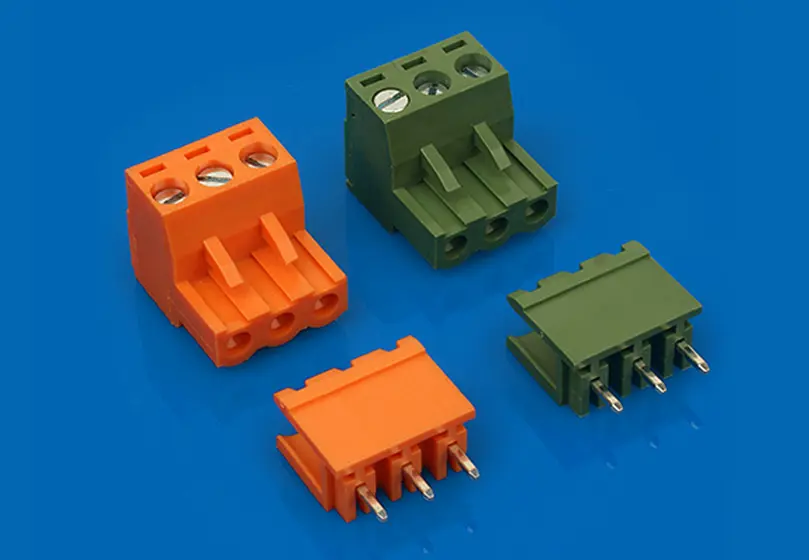
Electrical connectors are often exposed to demanding operating conditions where heat, moisture, chemicals, dust, and constant vibration can affect their performance. Industries such as automotive, aerospace, industrial automation, marine, and renewable energy require connection components that can withstand these harsh environments while maintaining reliable electrical performance. Choosing the right connector materials is essential for improving durability, reducing maintenance, and ensuring long-term system reliability.
The materials used in crimp connectors directly influence their strength, conductivity, corrosion resistance, and overall lifespan. Selecting appropriate materials helps businesses build electrical systems that perform consistently even in challenging environments.
Why Connector Material Selection Matters
Different environments place different demands on electrical connectors. High temperatures can weaken materials, while moisture and corrosive substances may damage electrical contacts over time. Mechanical vibration and repeated movement can also affect the integrity of electrical connections.
Using high-quality connector materials helps protect electrical systems from these challenges. Proper material selection improves safety, enhances performance, and reduces the risk of unexpected equipment failures.
Benefits of High-Quality Connector Materials
Modern connector materials offer several advantages for industrial and commercial applications.
Improved Corrosion Resistance
Durable materials help protect connectors from moisture, chemicals, and harsh environmental conditions.
Enhanced Mechanical Strength
Strong connector materials resist vibration, impact, and repeated mechanical stress.
Reliable Electrical Performance
High-quality materials maintain stable electrical conductivity and support long-term system reliability.
Common applications include:
• Automotive electrical systems
• Industrial machinery
• Renewable energy equipment
• Marine applications
• Aerospace systems
• Telecommunications infrastructure
These industries depend on reliable electrical connection technologies to ensure safe and efficient operation.
Selecting the Right Connection Components
Choosing suitable connector materials should be based on operating temperature, environmental exposure, electrical requirements, and mechanical stress. High-performance components help improve the durability of complete electrical systems.
For dependable cable assemblies, crimp connectors provide secure mechanical and electrical connections that remain stable even in demanding environments. Likewise, wire terminals create reliable connection points between cables and electrical equipment, supporting efficient power transfer while reducing the risk of loose or damaged connections.
Conclusion
Selecting the right connector materials is an important step in building reliable electrical systems for harsh environments. Durable materials improve corrosion resistance, enhance mechanical strength, and support consistent electrical performance across a wide range of applications.
Whether using crimp connectors for secure cable connections or wire terminals for dependable electrical interfaces, quality connection components help increase the safety and longevity of electrical installations. As industries continue to operate in more demanding environments, choosing the right connector materials will remain essential for achieving reliable and efficient system performance.