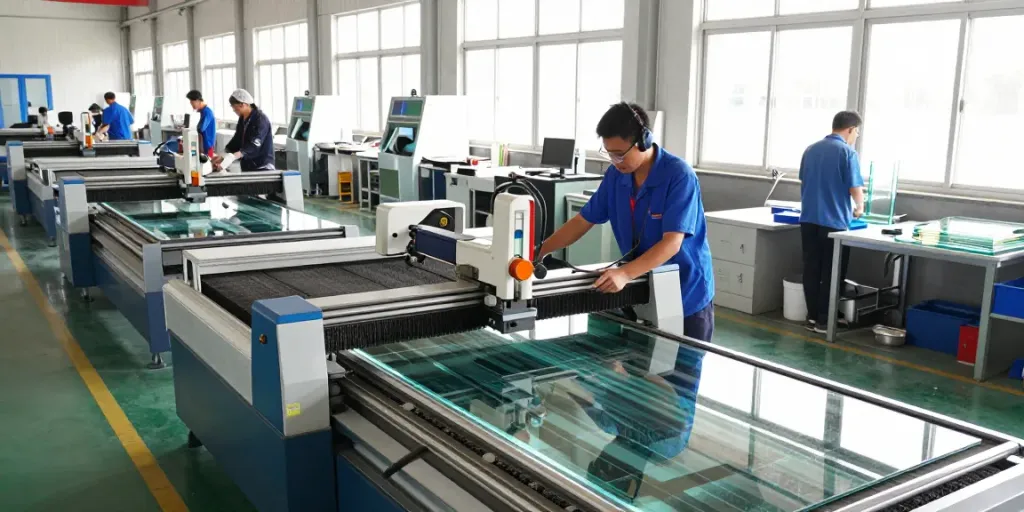
Understanding Glass Machine Suppliers
In the rapidly expanding glass industry, the role of glass machine suppliers is vital for manufacturers aiming to optimize production processes. These suppliers provide a range of machinery specifically designed to enhance efficiency and quality in glass processing. Selecting the right supplier can significantly impact a company’s operational success, making it crucial to understand the qualities that define a reliable provider in this competitive market.
What Defines a Reliable Glass Machine Supplier?
A reliable glass machine supplier is characterized by several key attributes. First and foremost, they should have a proven track record of delivering high-quality machinery that meets industry standards. This includes adherence to safety protocols, robust performance metrics, and compliance with international regulations. Furthermore, an established supplier typically offers comprehensive customer support, including installation, training, and maintenance services, which are crucial for ensuring long-term operational success.
Another important facet is the supplier's ability to innovate. The glass manufacturing industry is undergoing rapid technological changes, and suppliers who keep pace with new advancements provide clients with modern solutions tailored to their evolving needs. Additionally, transparent pricing and flexible financing options are essential, as they help manufacturers plan their investments more effectively.
Key Types of Glass Processing Machines Available
The variety of machinery available through glass machine suppliers is extensive, catering to multiple facets of the glass production process. Here are some of the most commonly sought types:
- Insulating Glass Production Line: Essential for manufacturing double or triple-glazed windows that enhance energy efficiency.
- Glass Washing Machines: Designed to remove dust and residues, ensuring optimal clarity and quality.
- Glass Cutting Machines: Vital for precision cutting of glass sheets, which is essential for any fabrication process.
- Glass Edge Polishing Machines: Used to finish edges, providing safety and aesthetic appeal.
- Glass Laminating Machines: Important for creating safety glass, which is crucial in construction and automotive applications.
- Glass Drilling Machines: Enable the creation of holes in glass for various applications, from fixtures to decorative elements.
- Glass Sandblasting Machines: Utilize abrasive materials to create textures and designs on glass surfaces.
- Laser Machines: Offer precision cutting and engraving capabilities, suitable for intricate designs.
- PVC Window and Door Machines: Serve the growing market of energy-efficient doors and windows.
Evaluating Quality in Glass Machines
Quality assurance in glass machinery is paramount for ensuring safety, efficiency, and longevity. Manufacturers must be adept at evaluating various elements that contribute to the overall quality of glass machines.
Quality Standards for Glass Manufacturing Equipment
Quality standards for glass manufacturing equipment often adhere to international regulations such as ISO 9001 for quality management systems. These certifications ensure that machinery is designed and manufactured to specific quality benchmarks. Additionally, equipment that meets CE marking indicates compliance with health, safety, and environmental standards as required by EU regulations.
Common Quality Issues and How to Avoid Them
Quality issues in glass machines can arise from various factors, including improper maintenance, substandard materials, or inadequate training for operators. To mitigate these risks, companies should implement regular maintenance schedules, invest in robust training programs for staff, and select suppliers known for their commitment to quality assurance.
Performance Metrics for Glass Machines
To ensure optimal performance, manufacturers should establish key performance indicators (KPIs) for their glass machinery. Metrics such as machine uptime, cycle time, and yield rates are essential for assessing operational efficiency. Regular audits and performance reviews can help identify areas for improvement and enhance the overall productivity of the manufacturing process.
Choosing the Right Glass Machine Supplier
Selecting the right glass machine supplier is critical for manufacturers aiming to elevate their operational capabilities. A systematic approach can help streamline the selection process.
Factors to Consider When Selecting Suppliers
When evaluating potential suppliers, manufacturers should consider factors such as industry experience, customer reviews, and the range of products offered. It is also beneficial to assess the supplier's reputation within the industry and their history of successful partnerships with similar businesses.
Comparing Prices and Services Among Suppliers
Price comparison is vital, but it should not be the sole deciding factor. Manufacturers should also evaluate the value-added services offered by suppliers, such as after-sales support, warranty policies, and training programs. A higher initial investment may be justified if it results in better quality and service in the long run.
Case Studies: Successful Partnerships with Suppliers
Examining case studies of successful partnerships can provide valuable insights into how effective supplier relationships can enhance business performance. For instance, a company that collaborated with a supplier specializing in glass cutting machines reported a 25% increase in production efficiency within six months due to the supplier’s training program and advanced machinery.
Future Trends in Glass Machinery
The glass machinery industry is poised for significant transformation as new technologies emerge and market demands evolve. Keeping abreast of these trends is crucial for manufacturers seeking to maintain a competitive edge.
Emerging Technologies in Glass Processing Equipment
Technological innovations such as automation and Industry 4.0 principles are beginning to reshape the glass processing sector. Automated systems for cutting, polishing, and handling glass reduce labor costs and enhance precision. Moreover, the integration of IoT (Internet of Things) technologies allows for real-time monitoring of machinery, improving maintenance scheduling and reducing downtime.
Predictions for the Glass Industry in 2026
Experts predict that by 2026, the glass industry will see a notable increase in demand for eco-friendly and energy-efficient products. This trend will likely drive advancements in machinery designed to produce these sustainable products more efficiently.
Sustainability Practices among Glass Machine Suppliers
As environmental concerns grow, many glass machine suppliers are adopting sustainable practices, such as using recyclable materials in machine manufacturing and implementing energy-efficient technologies. Manufacturers should consider these practices when selecting suppliers to align with their own sustainability goals.
FAQs about Glass Machine Suppliers
How Much Does a Glass Machine Cost?
The cost of glass machines varies significantly based on type, features, and manufacturer. Basic machines might start at a few thousand dollars, while advanced equipment can exceed hundreds of thousands. It's essential to consider not just the purchase price but the total cost of ownership, which includes maintenance, operation, and training expenses.
What Are the Leading Glass Machine Brands?
Some of the leading brands in the glass machinery market include Lisec, Bottero, and CMS. Each brand has its strengths, and manufacturers should select based on their specific needs and the type of machinery required.
How Can I Know If a Supplier Is Trustworthy?
To assess the trustworthiness of a supplier, manufacturers should look at their history, customer testimonials, and industry certifications. Engaging in direct discussions with existing clients of the supplier can also provide valuable insights into the supplier's reliability and service quality.
What Should I Look for in Used Glass Machines?
When considering used glass machines, it's crucial to examine their condition, maintenance history, and any upgrades that have been made. Additionally, verifying the longevity and reliability of the brand can help ensure a worthwhile investment.
What Innovations Are Shaping the Future of Glass Machinery?
Innovations such as smart technologies, automated production lines, and enhanced software for managing machinery are pivotal in transforming the glass machinery landscape. These advancements are designed to improve efficiency and reduce costs, making them essential for future competitiveness in the industry.